Liquid Glass and a More Modern UI in Threema for iOS
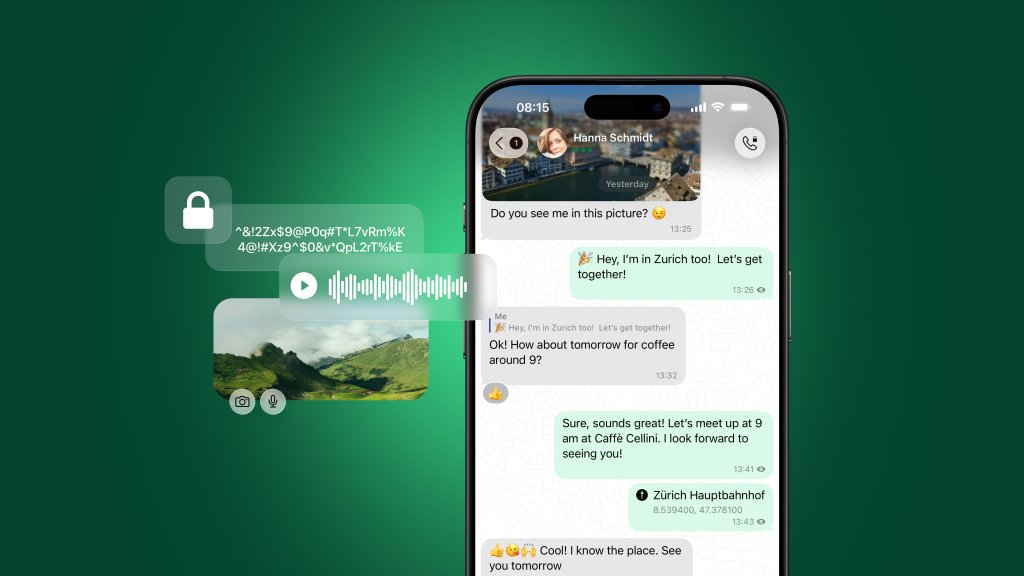
New design, redesigned workflows, and additional features: Threema 7.1 for iOS offers more than just Liquid Glass.
Have you ever heard someone say they were “ghosted” and had no idea what it means? Or are you unsure what “dry texting” and being “left on read” is? In this blog post, we explain some common Internet slang terms and concepts relating to instant messaging.
Several recent news reports have sparked discussion in the IT community and raised questions among some of our users. One topic is the view that paid online services are incompatible with anonymity – and therefore with strong data protection. Another is the risk of user accounts being hijacked through identity spoofing, which current events have brought back into focus.
We are joining forces with IBM’s renowned research division to implement post-quantum cryptography in Threema. This collaboration will further strengthen Threema’s exceptional security standards, ensuring that our communication solutions are prepared for future threat scenarios.
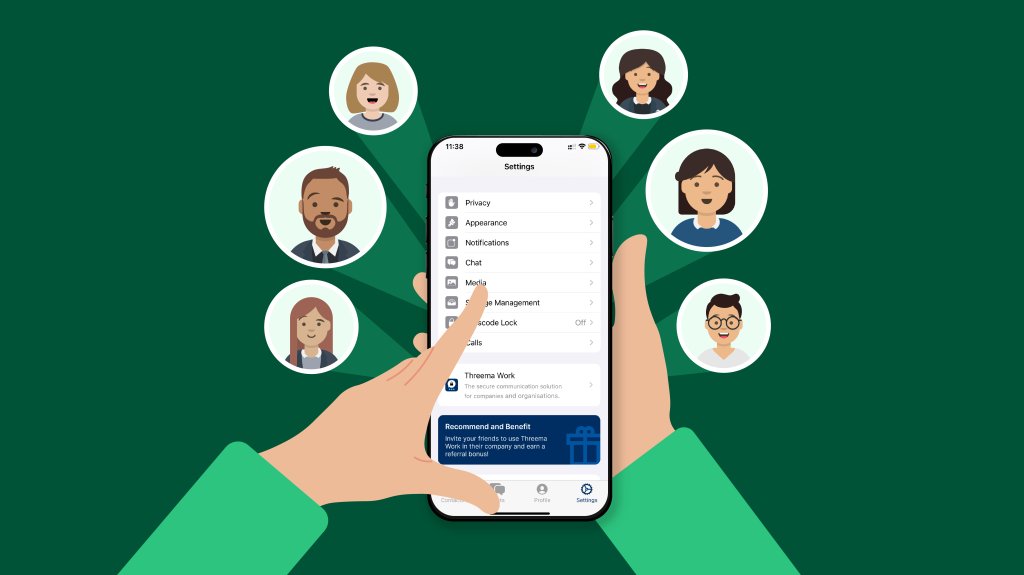
Do you use the Threema Private app and know professionals who might be interested in a secure business messenger? Recommend Threema Work and earn a bonus!
Today is Data Privacy Day! Are you up to speed when it comes to online privacy? Put your knowledge to the test, and take the privacy quiz in the Threema Channel.
When it comes to data protection on the Internet, security and privacy are often mentioned in the same breath. However, the two terms are not synonymous. We explain the differences.
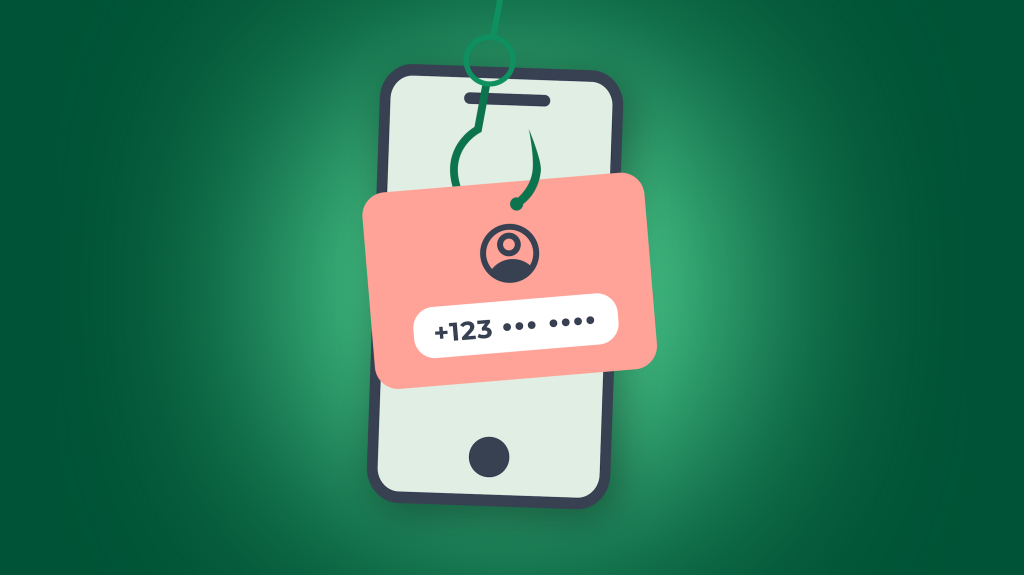
This week, various media outlets reported that WhatsApp exposed user data on a massive scale. Some called it the “largest data leak in history,” others said the situation to be worse than one might think at first. We somewhat disagree. A brief assessment.
In response to increasing surveillance on the Internet and the weakening of our privacy that goes along with it, the “digital integrity” movement is forming resistance. In Switzerland, two cantons have already voted decisively to establish a fundamental right to “digital integrity” in their state constitutions. At the end of the month, the canton of Zurich will also vote on this issue.