Security Doesn’t Equal Privacy
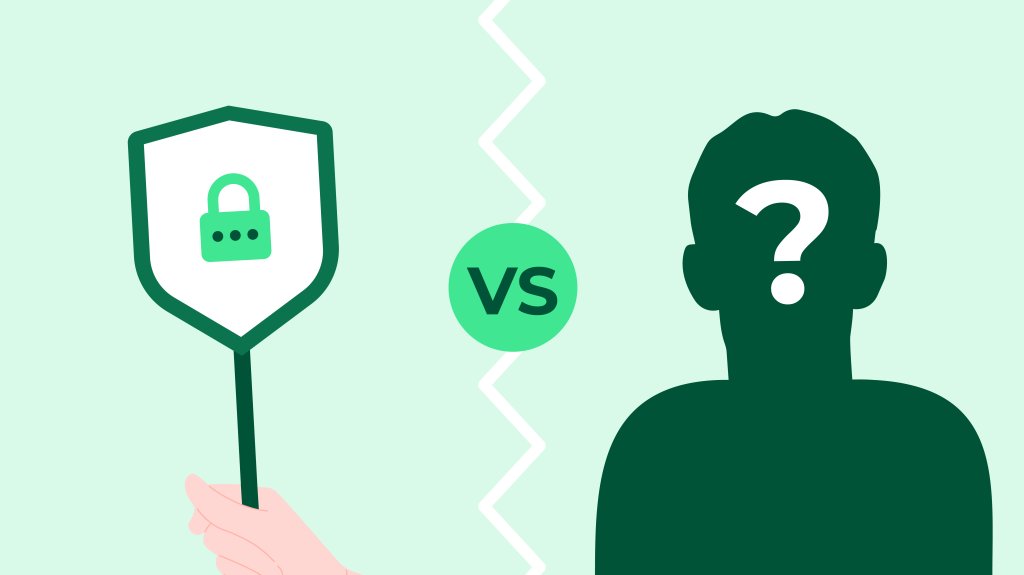
When it comes to data protection on the Internet, security and privacy are often mentioned in the same breath. However, the two terms are not synonymous. We explain the differences.
Privacy and security are closely linked to the protection of data and individuals, but they pursue different goals and use different mechanisms.
Security is a property of systems that involves protecting something from external threats and preventing unauthorized access. Encryption, firewalls, and authentication are among the tools used for this purpose.
Privacy, on the other hand, can only be enjoyed by people, not systems. Protecting privacy is about having control over your own data and ensuring that it is only used in the desired context. Mechanisms for this include data minimization and anonymity.
In short, privacy determines what data is collected or shared and under what conditions, while security ensures that this data does not fall into the wrong hands.
Some Examples
A simple example is your front door: security is ensured by its solid construction and its lock; privacy is ensured by its opaque design and the fact that it can be closed. If it were transparent but lockable, it would be secure, but your privacy would not be protected. If, on the other hand, it were opaque but could not be closed, it would protect your privacy (to a certain extent) but not your security.
Another example is social media: to ensure the security of your account and make sure that no one can access it, you set a password. You protect your privacy by only uploading content you want to share and by specifying who can see these posts.
How are the two concepts related?
If a service is secure, it also protects the privacy of its users (to a certain extent) by preventing third parties from accessing user data. However, security alone is not sufficient for comprehensive privacy protection: it is equally important to know what data is collected and for what purposes it is used by the service operator.
Example: WhatsApp encrypts chats so that they are secure, but the requirement to provide a phone number (which can be used to identify users) and the systematic collection and analysis of metadata still significantly compromise users’ privacy.
Therefore, holistic privacy protection encompasses not only technical measures such as encryption but also other factors such as data minimization and control over one’s own data. In other words: security is a necessary prerequisite but not a guarantee of comprehensive privacy protection.







