Threema and IBM Research: Post-Quantum Cryptography for Messaging
A collaboration to enable quantum-secure mobile communication and ensure that sensitive data remains protected even against the computing power of future quantum computers.

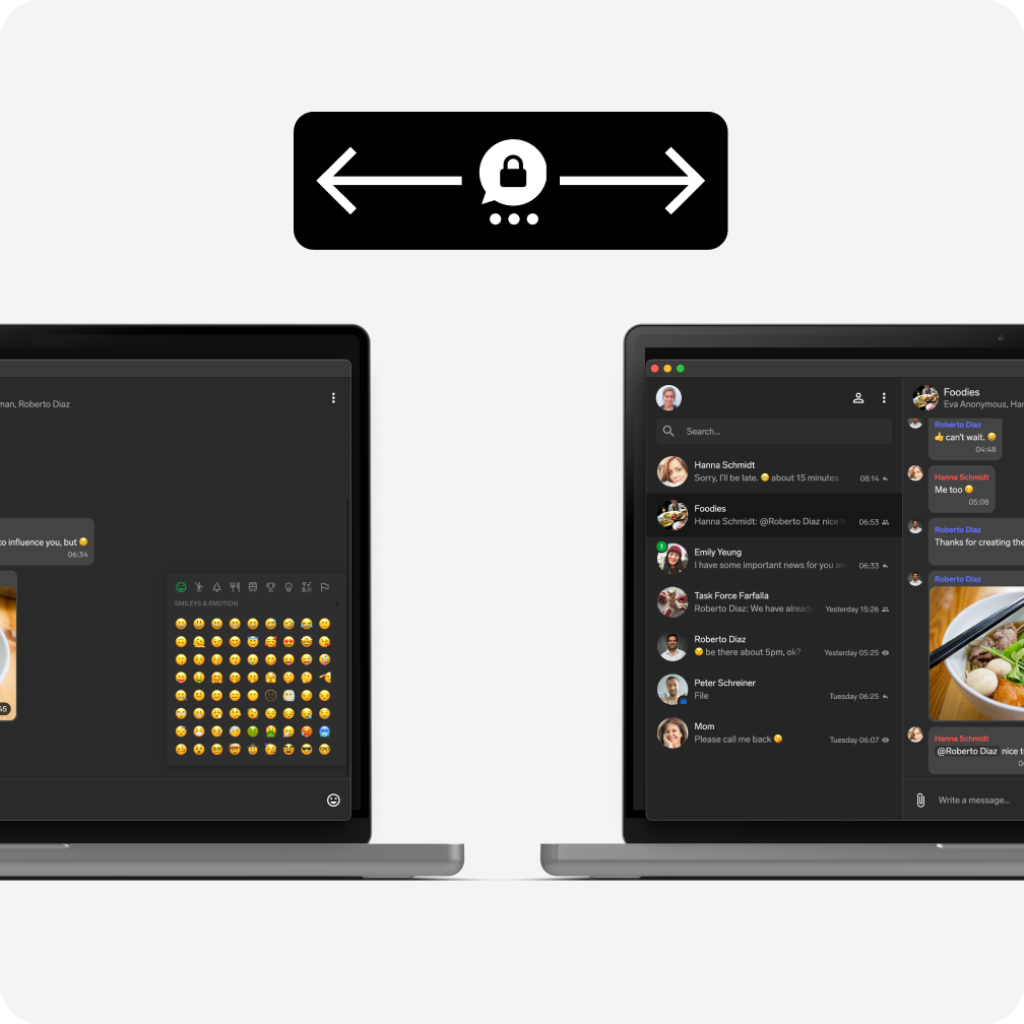
Quantum Computers: No Immediate Risk Today, but a Major Challenge Tomorrow
Quantum computers operate fundamentally differently from conventional computers: instead of using bits, they use qubits, which can represent multiple states simultaneously thanks to quantum physical effects such as superposition and entanglement. As a result, a sufficiently powerful quantum computer could break traditional encryption methods.
Although current systems with a few hundred unstable qubits are far from achieving this level of performance, it’s imperative to prepare early to protect sensitive communication in the long term.
Working Together for the Quantum-Secure Communication of Tomorrow
To prepare for the risk posed by future quantum computers, Threema is joining forces with IBM Research. The goal of this collaboration is to integrate post-quantum cryptography (PQC) into Threema to secure the exchange of sensitive data against future attacks.
Long-term resilience
Protection against new means of attack through gradual PQC implementation.
Renowned research
IBM Research contributes extensive expertise in the field of post-quantum cryptography.
Threema’s security DNA
PQC complements an already strong security foundation – without compromise.
IBM Research has in-depth expertise in the field of quantum-safe cryptography. Among other things, the IBM Q System One, the first commercially available circuit-based quantum computer, was introduced in 2019. Threema also works with cryptographers who have contributed significantly to two of the three NIST PQC standards.